Category: Hybrid Cars / Future of Powertrains
Introduction
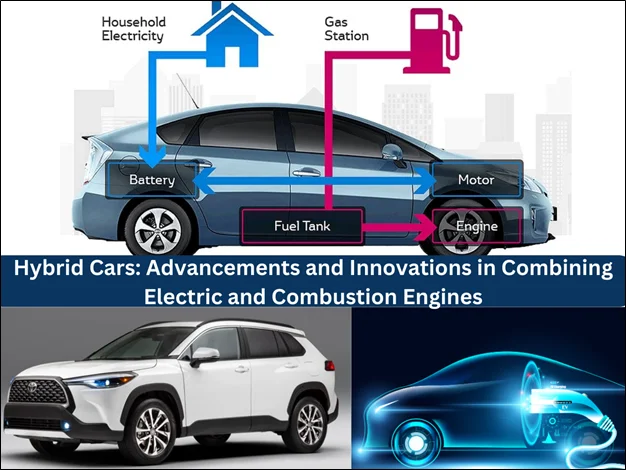
Hybrids combine the efficiency of electric motors with the reliability of gasoline engines, making them one of the most popular transition technologies in modern automotive design. They offer a “best of both worlds” solution — high fuel efficiency for city driving, paired with the long-range capability of traditional engines. Hybrids reduce emissions while avoiding the range anxiety and charging infrastructure challenges of fully electric vehicles (BEVs).
How Hybrids Work
Hybrid vehicles automatically switch between electric power and gasoline engines to optimize efficiency:
- Toyota Prius Prime – Electric-only range 25 miles, 0–60 mph in 10.5 sec, price ~$34,000
- Honda Accord Hybrid – Electric-only range ~20 miles, 0–60 mph in 7.5 sec, price ~$32,000
At low speeds, the electric motor powers the car, reducing fuel consumption, while the gas engine engages for higher-speed driving or longer trips.
Plug-In Hybrids (PHEVs)
Plug-in hybrids allow drivers to cover short trips entirely on electricity while retaining a gasoline engine for long distances:
- BMW 330e – Electric-only range 22 miles, 0–60 mph in 5.6 sec, top speed 130 mph, price ~$45,000
- Volvo XC90 T8 – Electric-only range 18 miles, 0–60 mph in 5.3 sec, top speed 155 mph, price ~$63,000
- Mitsubishi Outlander PHEV – Electric-only range 24 miles, 0–60 mph in 9.2 sec, price ~$42,000
PHEVs are ideal for daily commuting on electric power while keeping the security of gasoline for longer journeys.
Regenerative Braking and Efficiency
Modern hybrids use regenerative braking to capture energy normally lost during braking and store it in the battery. Examples:
- Toyota Prius Prime – Combined fuel economy: 54 MPG, electric-only range 25 miles
- Honda CR-V Hybrid – Combined fuel economy: 38 MPG, smooth transition between gas and electric motors
Regenerative braking not only saves energy but also reduces wear on brakes, lowering maintenance costs.
Key Advantages of Hybrids
- No Range Anxiety: Gasoline engines act as a backup to the battery, ensuring long-distance trips are worry-free.
- No Need for Extensive Charging Infrastructure: Conventional hybrids charge through regenerative braking or the engine itself.
- Fuel Economy & Cost Savings: Hybrids frequently achieve 50+ MPG in city driving, significantly lowering fuel consumption.
- Bridge to Electrification: Hybrids introduce drivers to electric vehicle technology while maintaining the familiarity of gasoline engines.
Market Trends (2025-2026)
Despite the shift toward fully electric vehicles, hybrid sales are gaining momentum:
- Sales Growth: Hybrid sales surged by 50% year-on-year between 2024-2025.
- Market Share: In January 2025, hybrids represented 16.3% of newly registered vehicles in the U.S., versus 8.6% for BEVs.
- Affordability: Prices of hybrids are approaching parity with traditional vehicles, making them accessible to more buyers.
The Future of Hybrids
By 2026, hybrids are no longer just a trend — they are a mature, reliable solution for modern drivers. Continuous improvements in smarter software, advanced batteries, and lighter engines enhance performance, efficiency, and comfort.
Some of the top hybrid models leading the market today include:
- Toyota Prius Prime: 25 miles electric range, 54 MPG combined, ~$34,000
- Honda Accord Hybrid: 20 miles electric range, 7.5 sec 0–60 mph, ~$32,000
- BMW 330e: 22 miles electric range, 5.6 sec 0–60 mph, ~$45,000
- Volvo XC90 T8: 18 miles electric range, 5.3 sec 0–60 mph, ~$63,000
- Mitsubishi Outlander PHEV: 24 miles electric range, 9.2 sec 0–60 mph, ~$42,000
Hybrids remain the perfect stepping stone toward full electrification, combining eco-friendliness, cost savings, and reliability, making them a highly practical choice for consumers today.