– The Shift From Engine Roars to Instant Torque
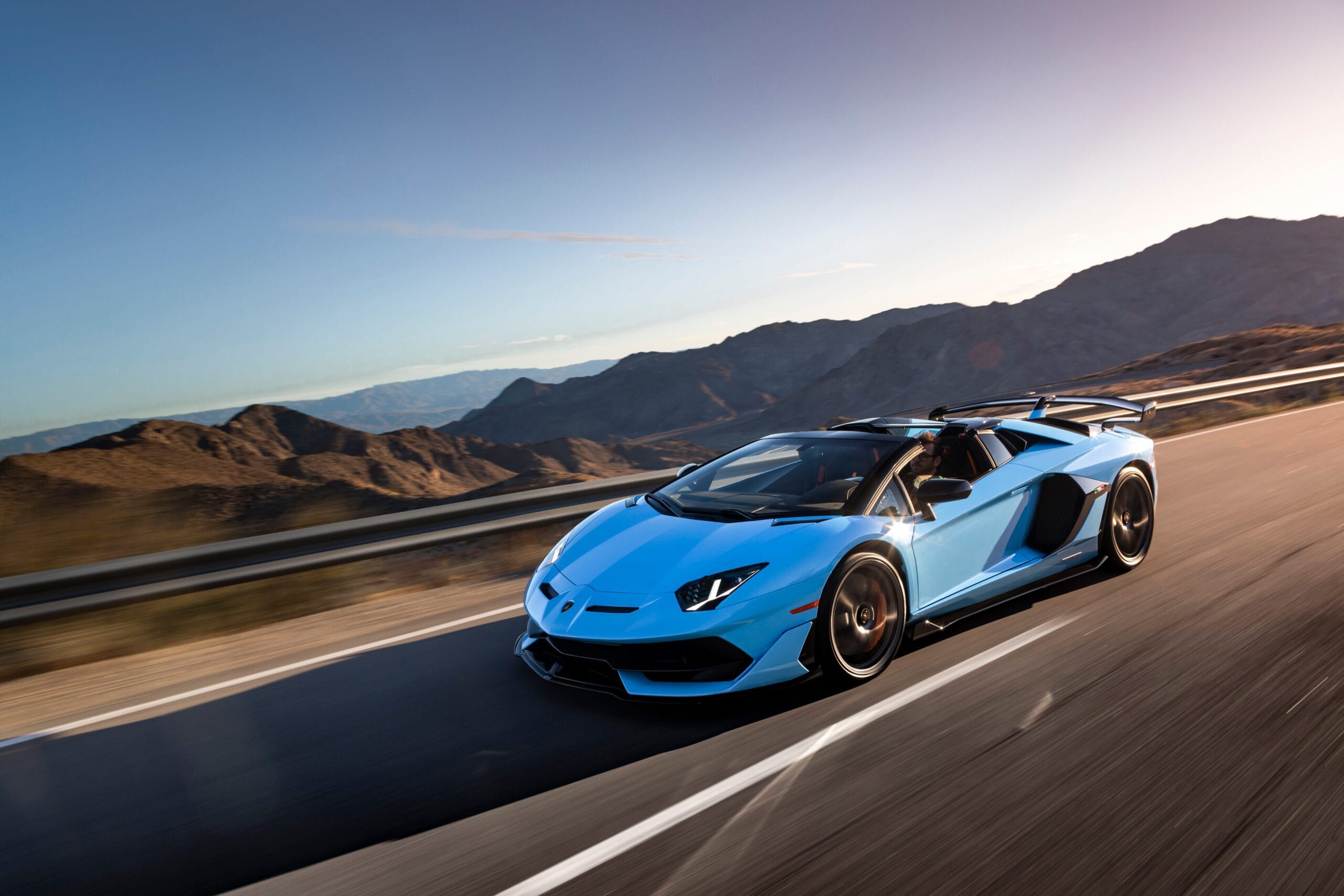
For decades, gasoline supercars dominated performance with powerful V8, V10, and V12 engines. Cars like the Bugatti Chiron and Lamborghini Aventador defined speed records. However, modern electric supercars now outperform many of these legends thanks to instant torque delivery and advanced battery systems.
Electric motors produce full power immediately, while gasoline engines require time to build revs — giving EVs a massive acceleration advantage.
– Electric vs Gasoline: Speed Comparison
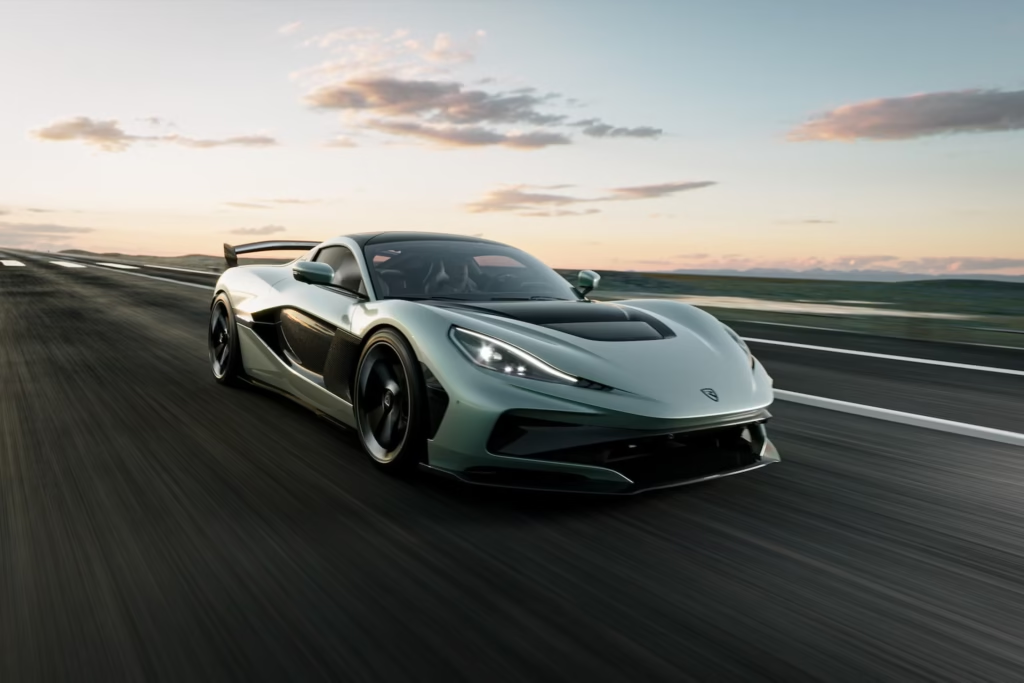
⚡ Rimac Nevera (Electric)
• Power: 1,914 hp
• 0–60 mph: 1.85 seconds
• Top speed: 258 mph
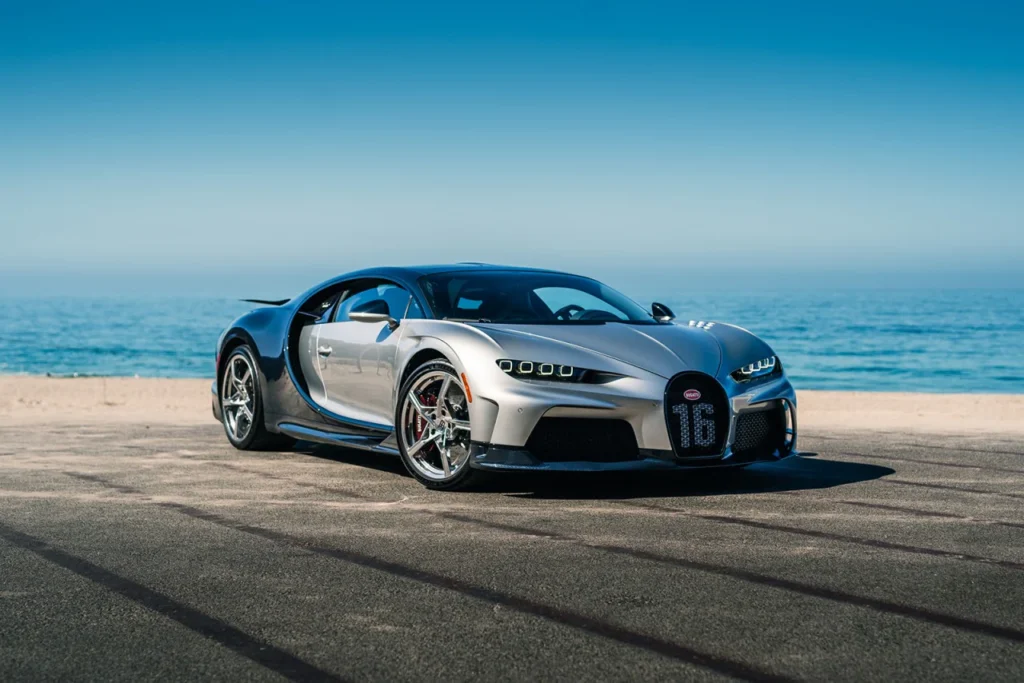
⛽ Bugatti Chiron Super Sport (Gasoline)
• Power: 1,600 hp
• 0–60 mph: 2.4 seconds
• Top speed: 273 mph
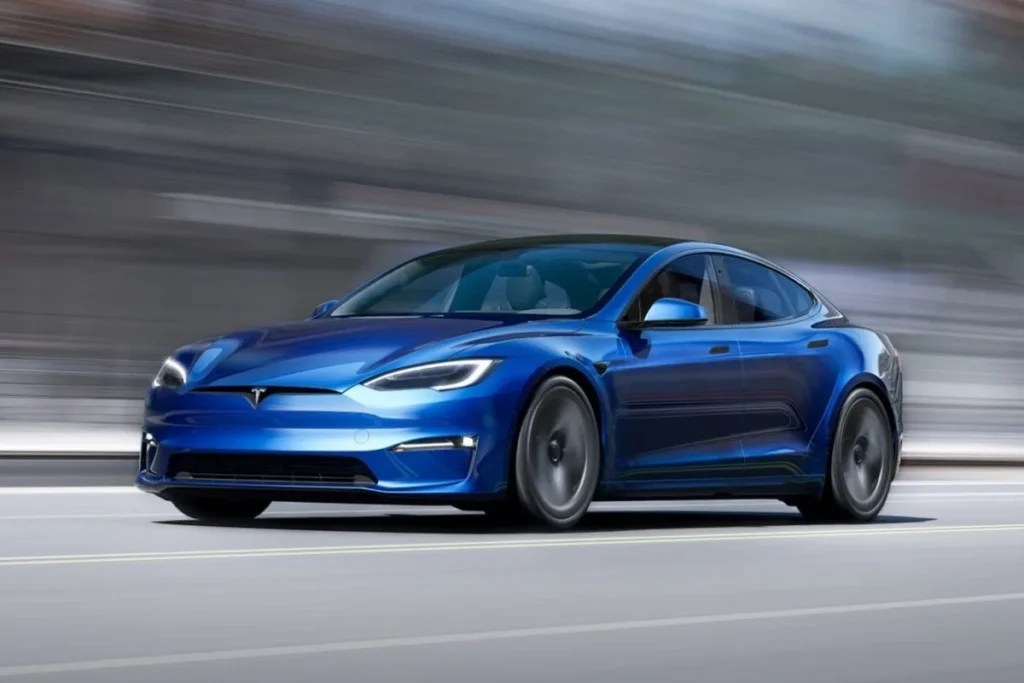
⚡ Tesla Model S Plaid (Electric)
• Power: 1,020 hp
• 0–60 mph: 1.99 seconds

⛽ Lamborghini Aventador SVJ (Gasoline)
• Power: 770 hp
• 0–60 mph: 2.8 seconds
👉 Electric cars now win in acceleration, while gasoline still holds slight advantages in top speed.
– Why Electric Cars Launch Faster
Electric supercars benefit from:
✔ Instant torque with no gear shifting
✔ All-wheel drive power distribution
✔ Advanced traction control systems
Gasoline engines lose time shifting gears and building RPM — even with dual-clutch transmissions.
– Real-World Performance Is Changing
In real driving conditions such as drag races and highway acceleration, electric vehicles consistently outperform traditional supercars. Many EVs now beat million-dollar hypercars at a fraction of the price.
Read More 13 Electric Super Cars We are Waiting For
– Is This the End of Gasoline Speed Kings?
Gasoline engines still offer emotional sound and extreme top speeds, but performance leadership is clearly shifting toward electric power.
As battery technology improves, electric cars will likely dominate every performance category within the next decade.
For more Curiosity Here you can check The Rise of Electric Performance Cars