Cars Are Becoming Smart Machines
The idea of artificial intelligence is not just a theory anymore. Today, it is actually controlling the major functions of cars. From adjusting the mode of driving to improving the efficiency of cars in terms of energy and safety, cars are not only reacting faster in emergency situations but are also adapting to the situations and improving their efficiency accordingly. Today’s smart cars learn from the driving patterns, the weather, and so much more.
Advanced Driver Assistance Systems (ADAS)
Currently, cars are being equipped with AI-based ADAS. Some of the notable ones are:
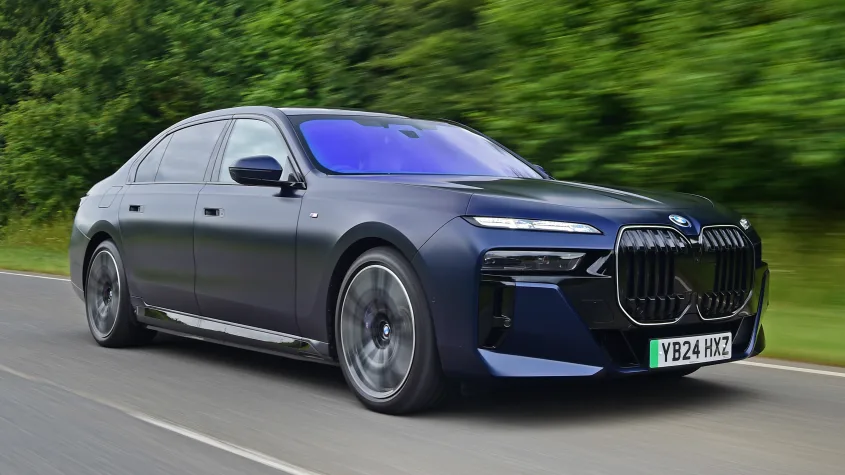
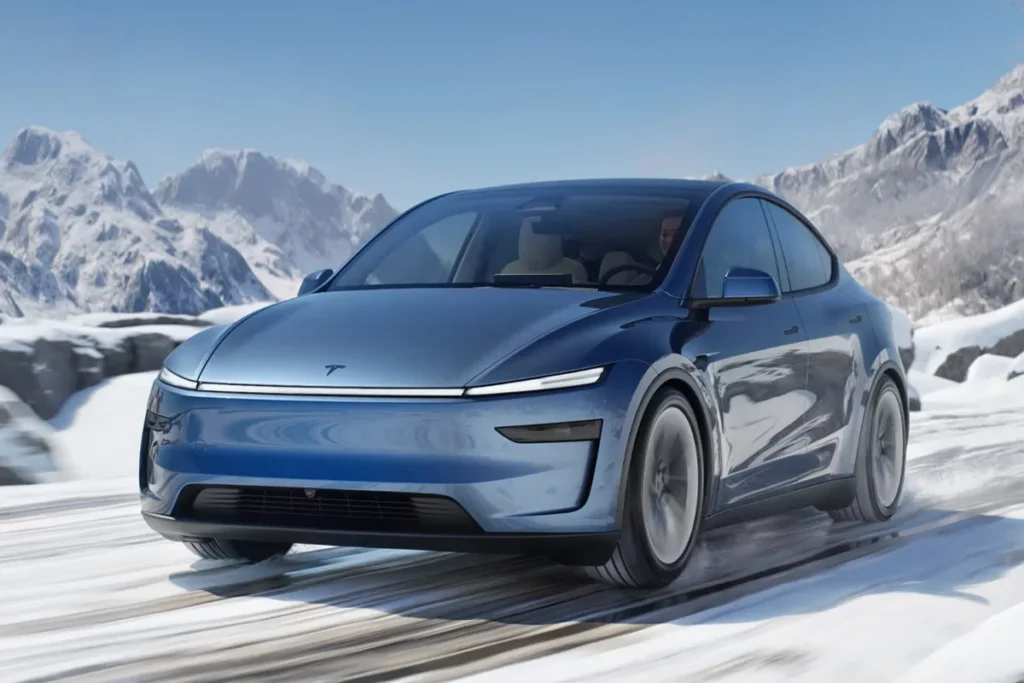
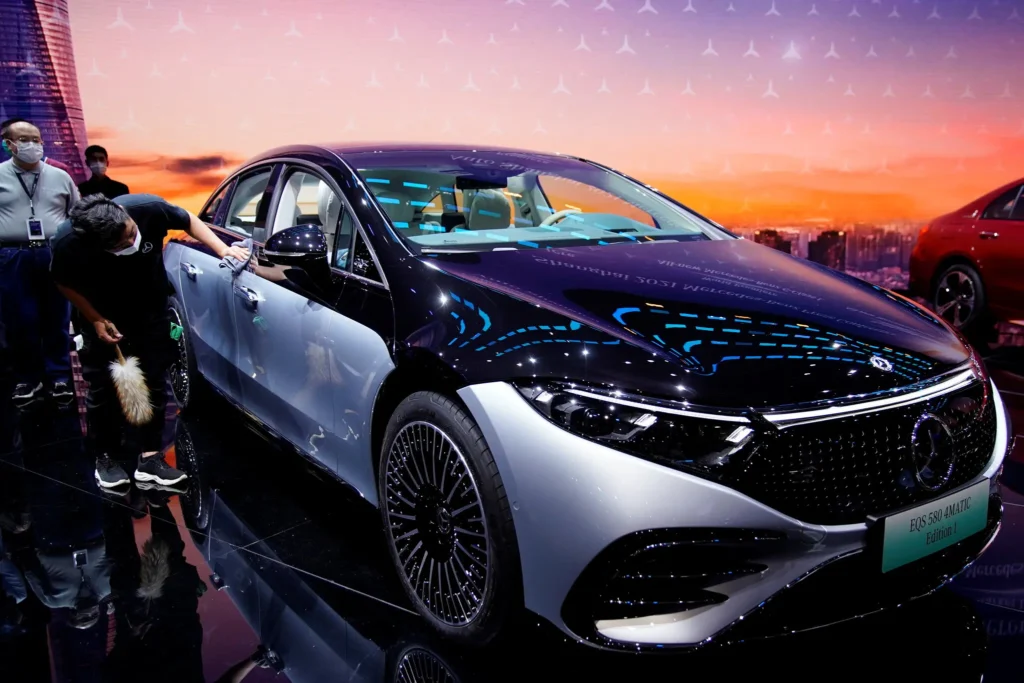
- Mercedes-Benz EQS: It has AI-based predictive cruise control, lane centering, and semi-autonomous driving.
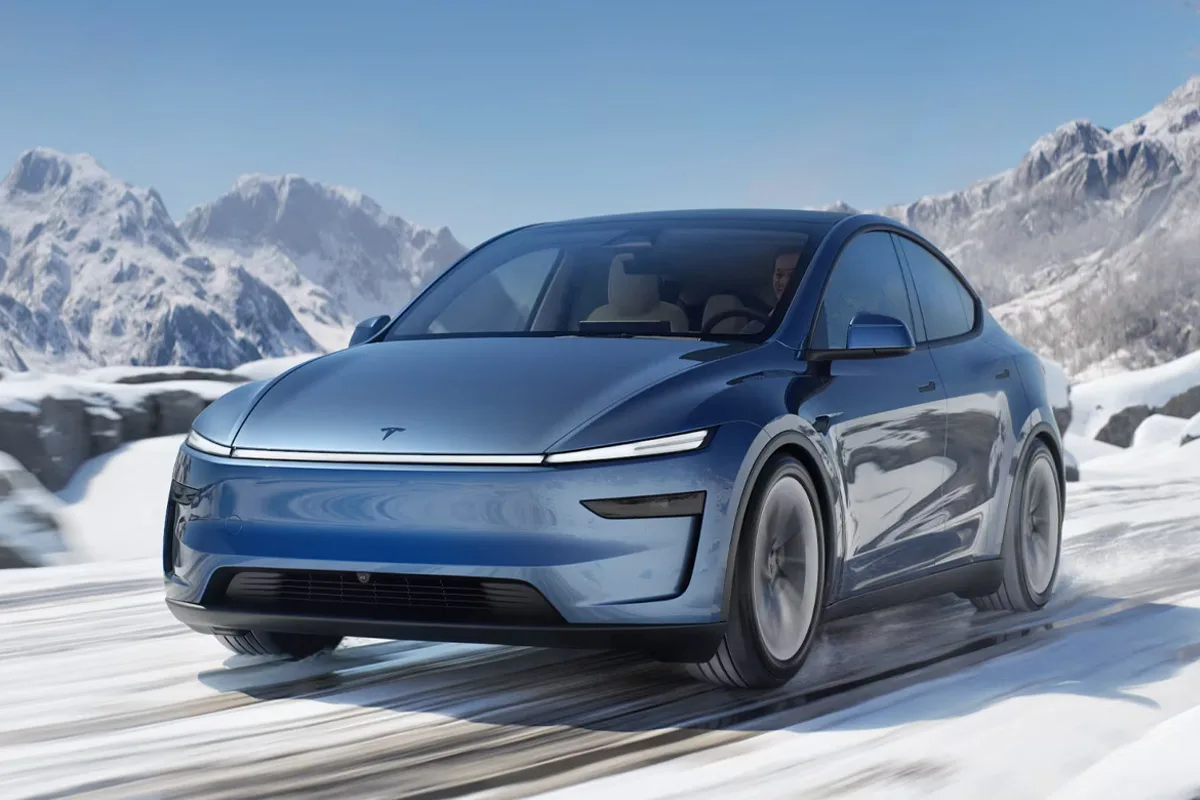
- Tesla Model Y: It has a Full Self-Driving (FSD) beta mode with features like lane change, traffic-aware cruise control, and auto parking.
- BMW i7: It has features like adaptive cruise control, collision avoidance, and auto parking with the help of AI vision.
The AI-based features are:
- Lane keeping and departure warning: It maintains the vehicle’s position on the road and warns the driver if the vehicle leaves the lane.
- Collision avoidance: It detects the obstacles on the road and avoids the collision.
- Adaptive cruise control: It maintains a safe gap between the vehicle and the vehicle ahead.
- Self-parking: AI controls the vehicle and parks the car.
Real Safety Benefits of Using AI in Vehicles
The benefits of using AI in vehicles go beyond the mere fact that it is convenient. There is enough evidence that:
- Vehicles equipped with AI safety features have a more than 40% lower chance of being involved in a crash.
- Emergency braking, which is enabled by AI, prevents thousands of accidents each year.
- Lane-keeping and driver monitoring enabled by AI reduce the number of accidents resulting from distractions and fatigue
As the technology continues to improve, even minor accidents will be reduced by a significant amount.
The Future of Autonomous Driving
Companies are working towards enabling completely autonomous driving without the use of hands on the highway and in urban areas:
- Many new cars will come with semi-autonomous or fully autonomous driving capabilities without the use of hands on the highway by 2028.
- AI will allow cars to make complex decisions, such as merging into heavy traffic or driving through construction zones.
- Smart city infrastructure integration may enable cars to talk to traffic lights and other cars on the road for optimal traffic flow.
Finally, AI is paving the way for the next generation of cars, where the driver will be more of a supervisor and the car will be able to perform routine and high-risk tasks on its own.