Category: Automotive Sustainability/Trends
Introduction
The question of sustainability is no longer about choice. Modern automobiles are designed to be eco-friendly, yet luxurious.
Recycled and Eco-Friendly Materials
Examples include:
- BMW iX – Interior trim in material derived from recycled fishing nets
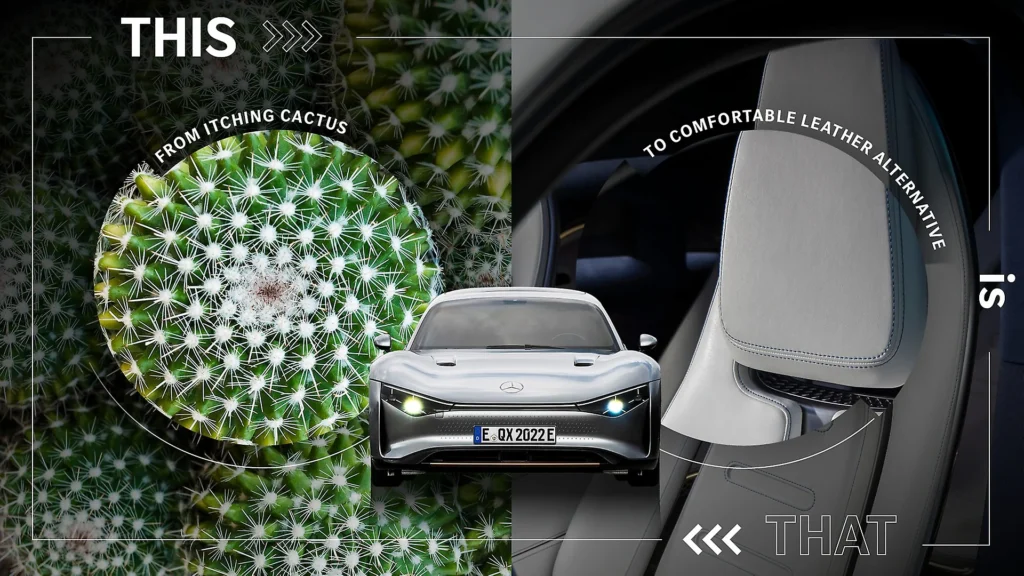
- Volvo XC40 Recharge – seats upholstered using vegan alternatives for leather
- Mercedes EQS – Dashboard, Recycled Wood, and Plastics
These materials help reduce the footprint on the environment, yet provide the same quality.
GREEN MANUFACTURING
Factories are also going green:
- Tesla Gigafactory – Powered almost entirely by renewable energy
- BMW Leipzig Plant – Carbon-neutral production processes
Lightweight and Efficient
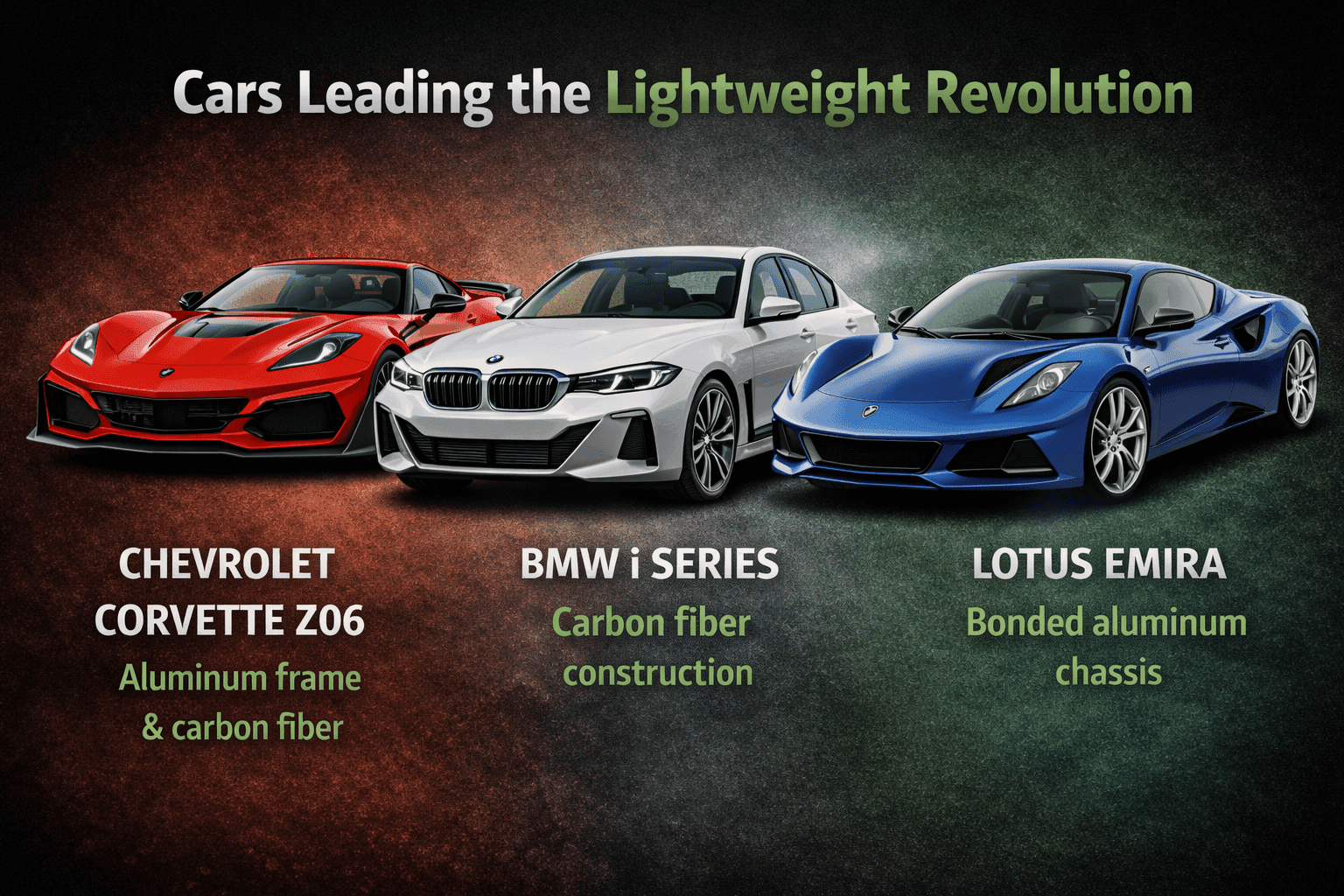
Lighter materials in the form of aluminum, composites, and carbon fibers help in achieving higher fuel efficiency with electric vehicle technology as well as hybrid vehicle technology. For instance, the Lotus Evija features a considerable level of carbon fibers, helping the vehicle attain a higher speed of 211 mph.
Consumer Awareness
Consumers now expect sustainability as a core design principle. Eco-conscious choices attract buyers and improve brand reputation.
4 Sustainable Materials in Car Design
1. Polypropylene: Lightweight and Sustainable Automotive Design
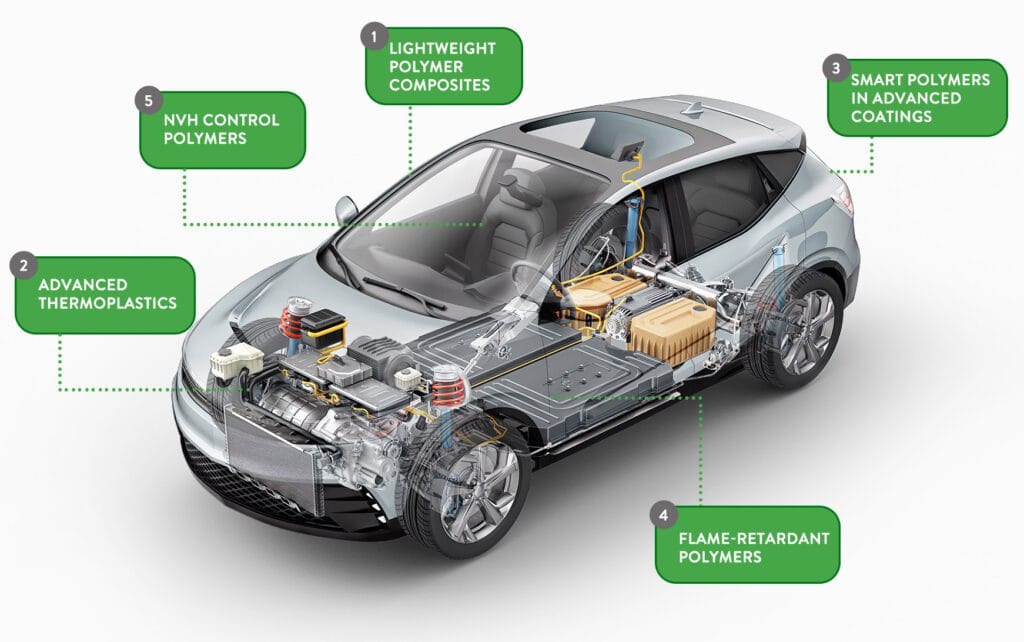
Polypropylene, a flexible thermoplastic polymer, has become a key material in eco-conscious car manufacturing. Its lightweight nature helps improve fuel efficiency, while its durability provides better impact resistance, making vehicles safer and extending the lifespan of components. This ultimately reduces waste and promotes sustainability.
Common uses of polypropylene in cars include:
- Dashboards
- Interior panels
- Exterior trims
Its recyclable properties make polypropylene an attractive option for automakers aiming to lower their environmental footprint. By incorporating recycled polypropylene, manufacturers reduce dependency on new raw materials.
As electric and hybrid vehicles grow in popularity, brands are exploring renewable-source polypropylene, which may eventually lead to biodegradable components, further advancing sustainable automotive design.
2. Bioplastics: Eco-Friendly Materials for Cars
Bioplastics are gaining traction as an environmentally responsible alternative in vehicle production. These materials are biodegradable and help cut down long-term waste, contributing to greener manufacturing practices.
Automakers favor bioplastics not only for their environmental advantages but also because they emit fewer greenhouse gases during production. Many bioplastics are derived from renewable sources, giving them a sustainable lifecycle.
Current automotive applications for bioplastics include:
- Interior trims and panels
- Dashboards
- Select exterior components
Thanks to their adaptability, bioplastics allow designers to create aesthetically pleasing parts while keeping environmental concerns in mind. Leading brands are now incorporating these materials into new models, reflecting consumer demand for sustainable vehicles.
3. Polyvinyl Chloride (PVC): Durable and Eco-Conscious
Polyvinyl chloride, or PVC, is widely used in automotive manufacturing due to its strength and versatility. It is suitable for various components, including:
- Interior surfaces
- Wiring insulation
- Exterior panels
Recent developments focus on eco-friendlier PVC production, which lowers chlorine emissions and reduces environmental impact. Using recycled PVC not only conserves resources but also aligns with sustainable vehicle design principles.
4. Polycarbonate: Strong, Lightweight, and Versatile
Polycarbonate is known for its exceptional durability and lightweight characteristics, making it ideal for high-performance automotive applications. Common uses include:
- Windows and sunroofs
- Headlight and taillight covers
- Protective panels
Unlike traditional glass, polycarbonate offers superior impact resistance, enhancing passenger safety. Its light weight also contributes to fuel efficiency and overall vehicle performance.
Beyond functionality, polycarbonate provides crystal-clear optical quality, improving the aesthetics of headlights and other transparent components. Manufacturers are increasingly using recycled polycarbonate, promoting a circular economy and reducing material waste.