Category: Electric / Innovation
Some cars were ahead of their time, embracing electric power long before it became popular.
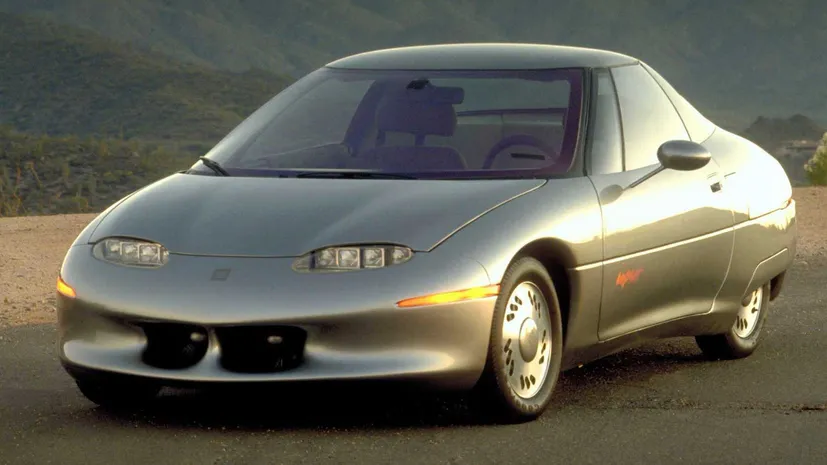
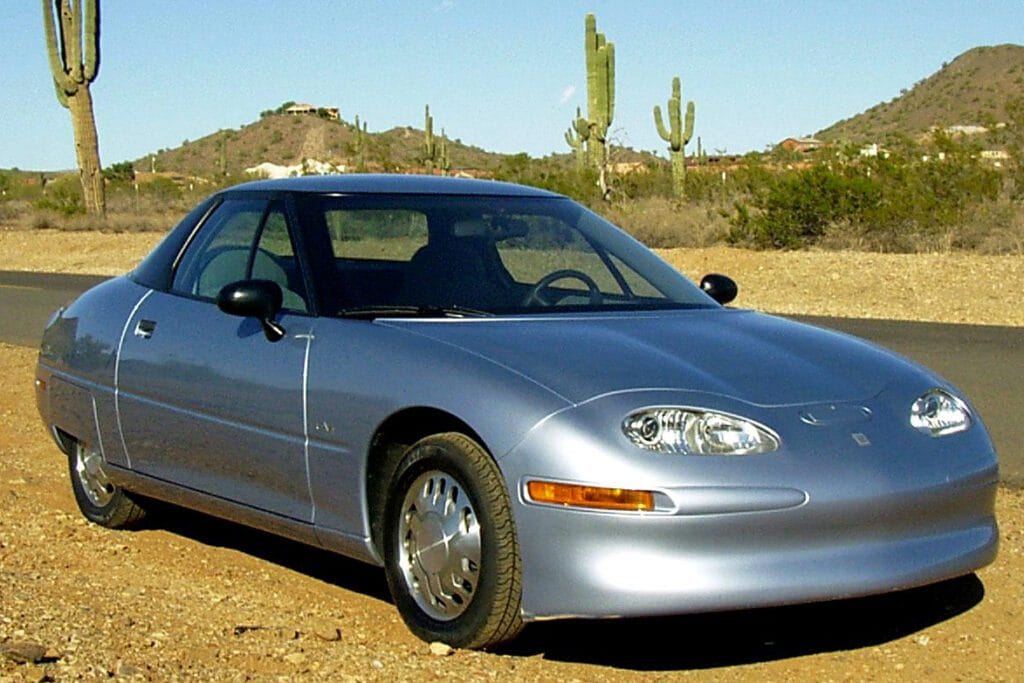
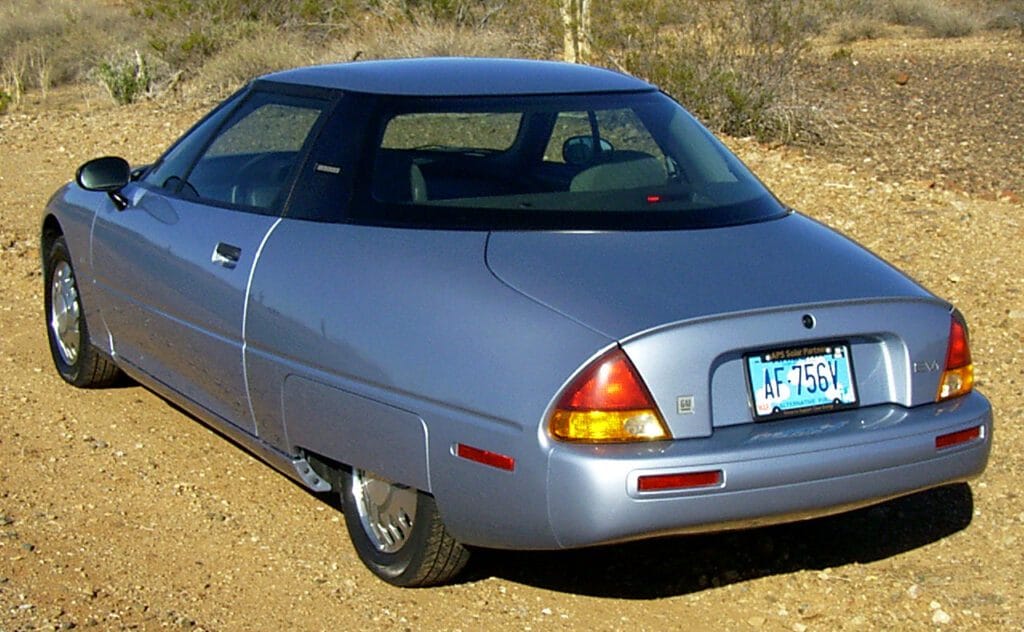
General Motors EV1– The Pioneer
RV released in 1996, the EV1 was a mass-produced Electric Vehicle.
- Engine / Motor: 137 hp electric motor
- 0–100 km/h (0–62 mph): ~8.0 seconds
- Top speed: 140 km/h (87 mph)
- Range: 100–160 km (62–100 miles) depending on battery version
- Price (then): ~$33,000
Why it defied trends: At a time when gas-powered vehicles dominated, the EV1 proved that electric propulsion could be practical.
Impact: Though it was eventually discontinued, the EV1 inspired future EV development and created a passionate following of electric car enthusiasts.
Why it defied trends: the majority of manufacturers were concentrating on gasoline-power units.
Impact: It inspired future EVs, which in turn ensured the practical use of electric cars.
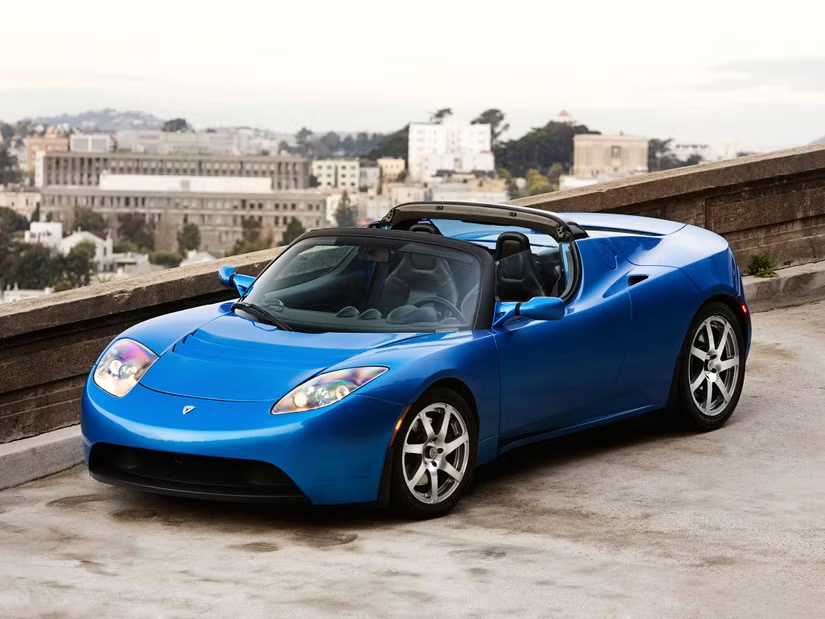

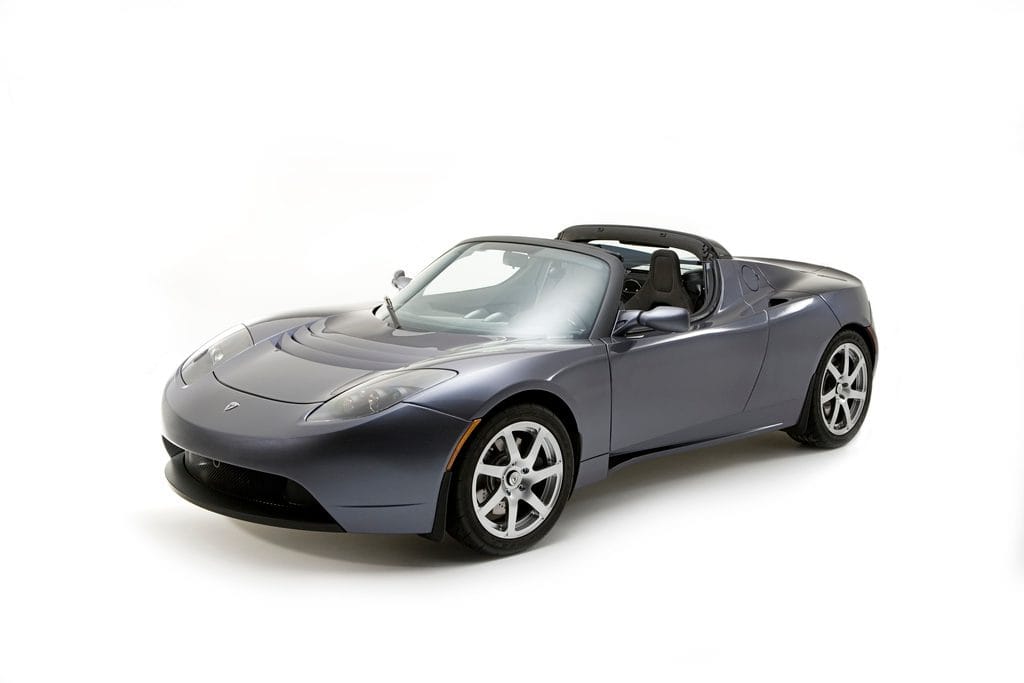
Tesla Roadster (2008) – Electric Performance Redefined
In 2008, with the Roadster, Tesla managed to shock the world by combining electric power with sports car excitement.
- Engine/Motor: 248 hp electric motor (original Roadster)
- 0–100 km/h: ~3.9 seconds
- Top speed: 201 km/h (125 mph)
- Range: 394 km (245 miles)
- Price: $109,000 and upwards
Why it defied trends: Most electric cars were slow and uninteresting; Tesla created an electric car fast, desirable, and aspirational.
Impact: It redefined the notion of EVs-being capable of competing with gas-powered sports cars.
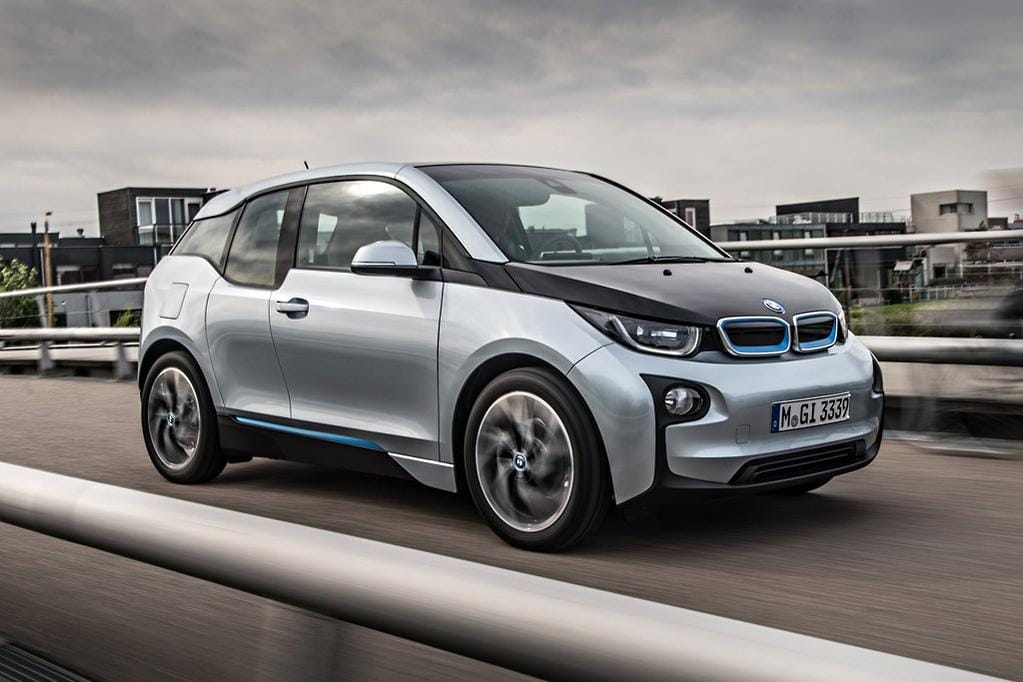
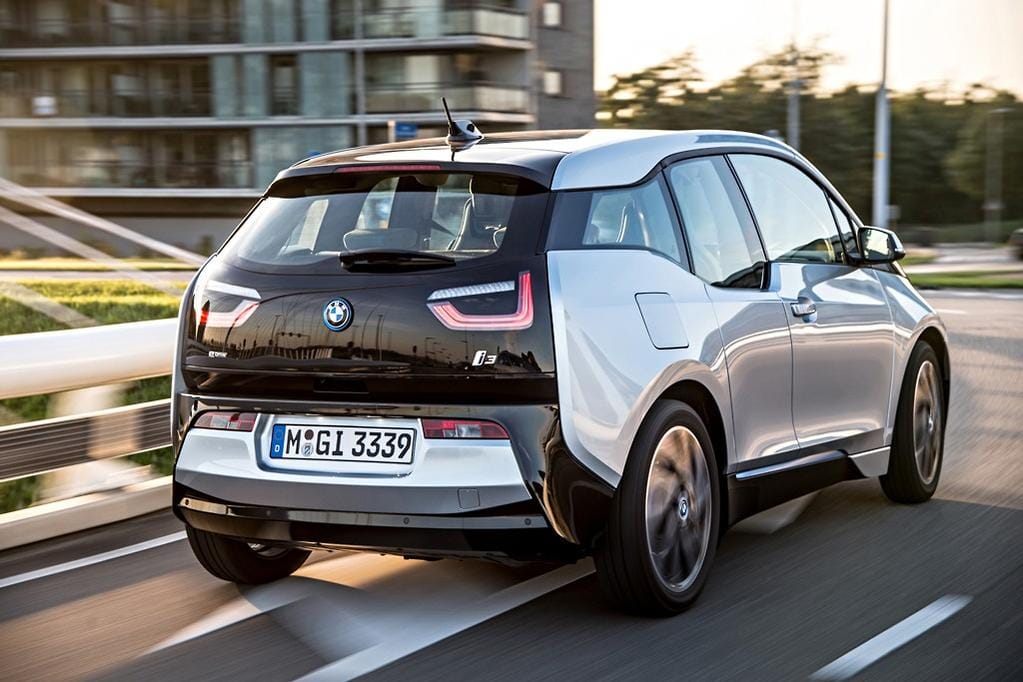
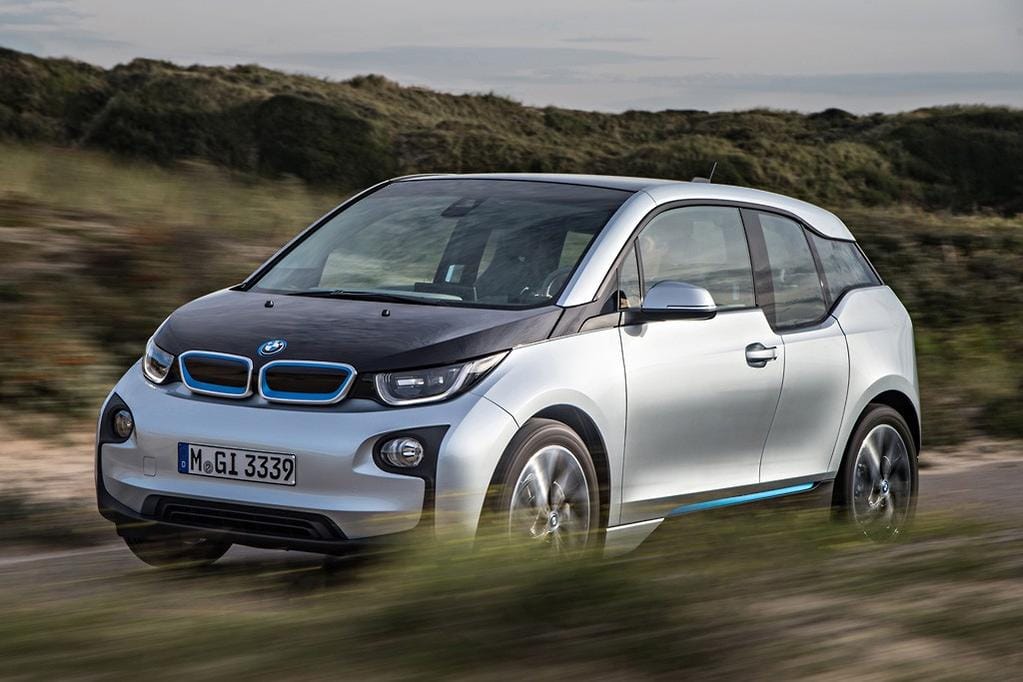
BMW i3 – Futuristic Urban EV
The BMW i3, launched in 2013, emphasized futuristic styling, the use of lightweight materials, and the need for city cars.
- Engine / Motor: 170 hp electric motor, Range Extender optional
- 0–100 km/h:
- Top speed : 150 km/h (93 mph)
- Range: 260 km (162 miles) electric-only
- Price: $44,450
Why it defied trends: Its competitors may have been following traditional cars, while the i3 was bold in its design and use of a carbon fiber body.
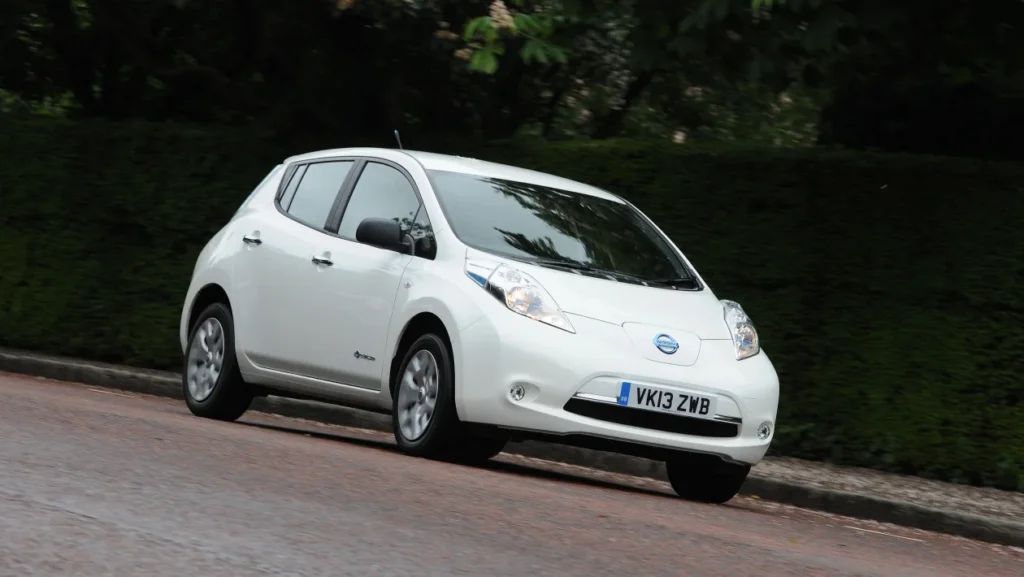
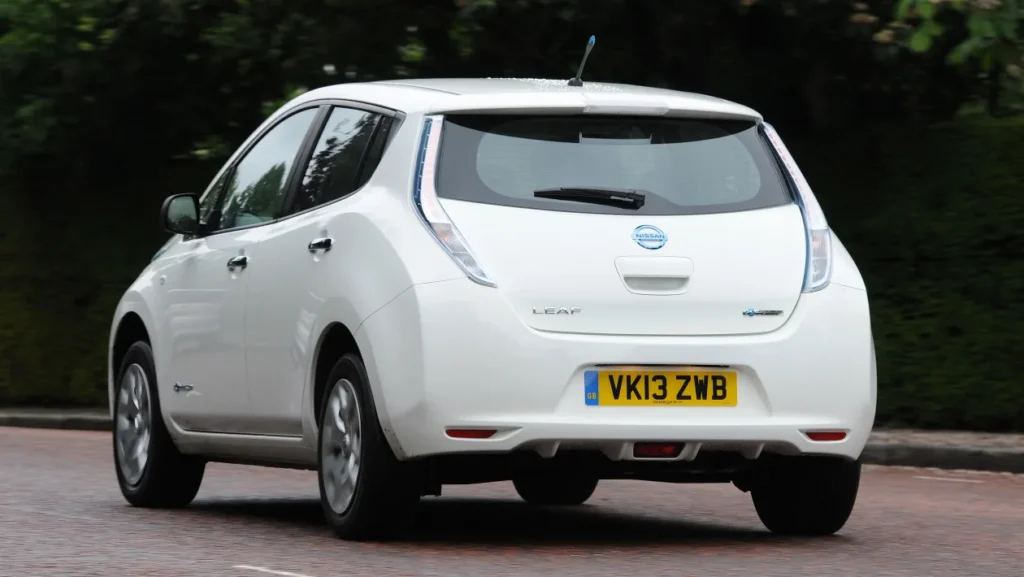
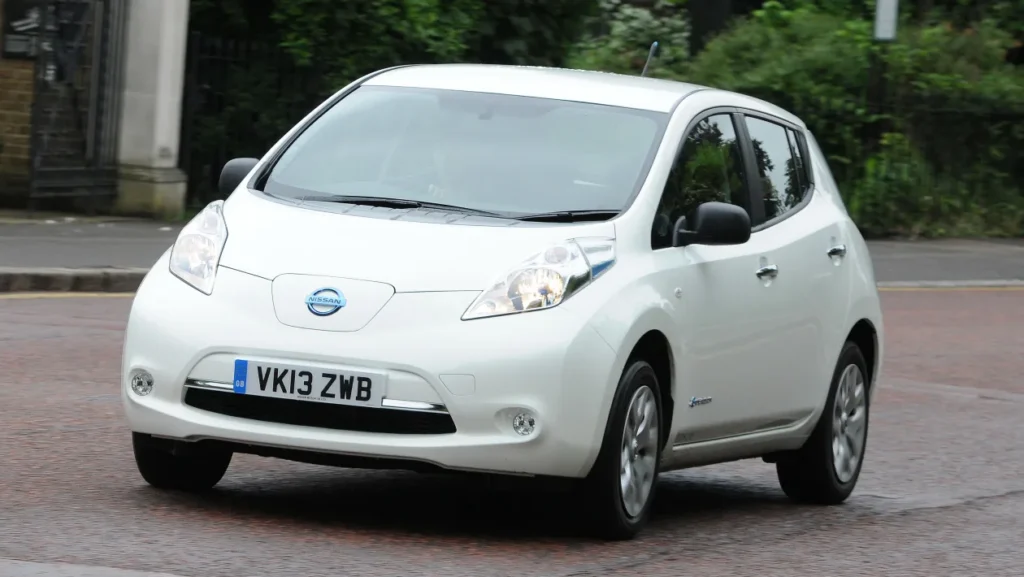
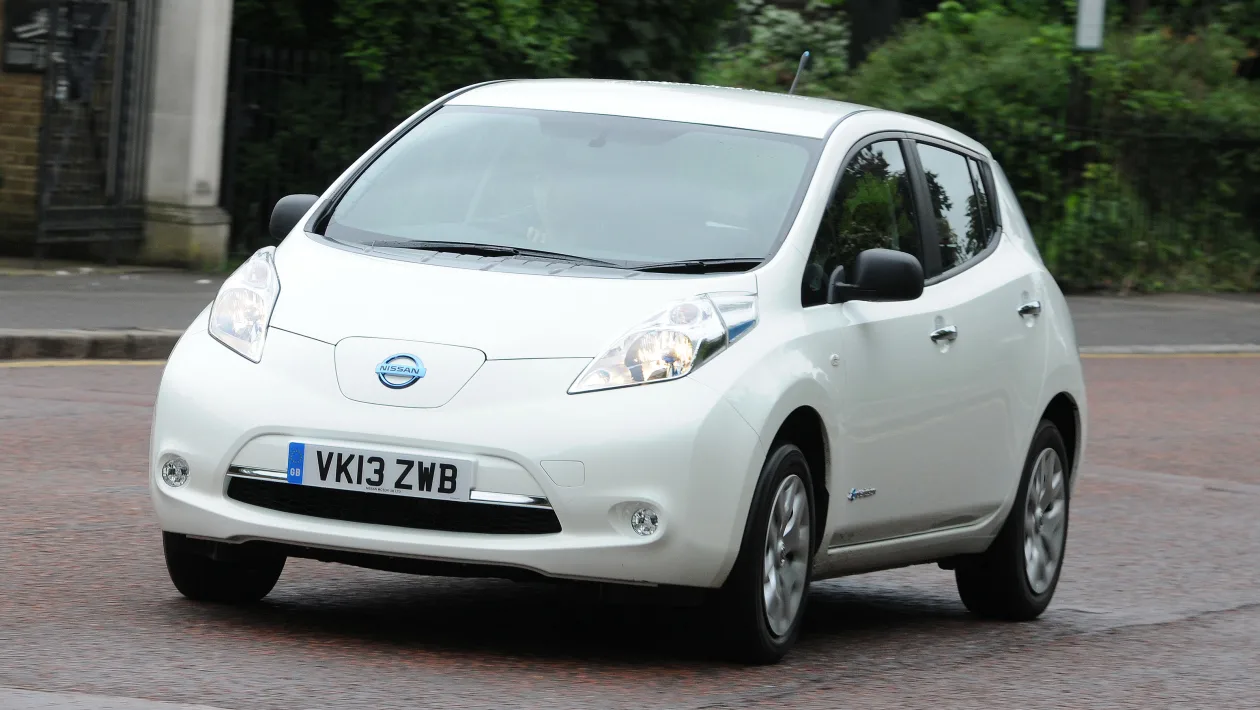
Nissan Leaf (First Generation) – Everyday Electric Pioneer
The Nissan Leaf, which entered the market in 2010, emphasized the availability of electric vehicles to the masses.
- Engine/Motor: 107 HP Electric Motor
- 0–100 km/h: ~
- Top speed: 145 km/h (90 mph)
- Range: 117 km (73 miles)
- Price: Approximately $32,
Why it bucked the trend: Most EVs were either niches or premium offerings, while the Leaf is aimed at ordinary people to make EVs mainstream for everyday use.
Impact: Leaf became the best-selling Electric Vehicle in the world, demonstrating the viability of Electric Vehicles in the general automotive market.
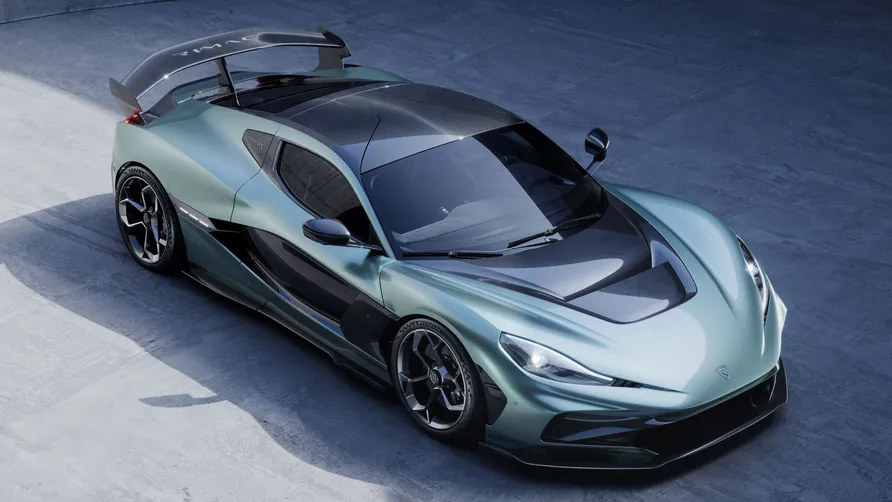
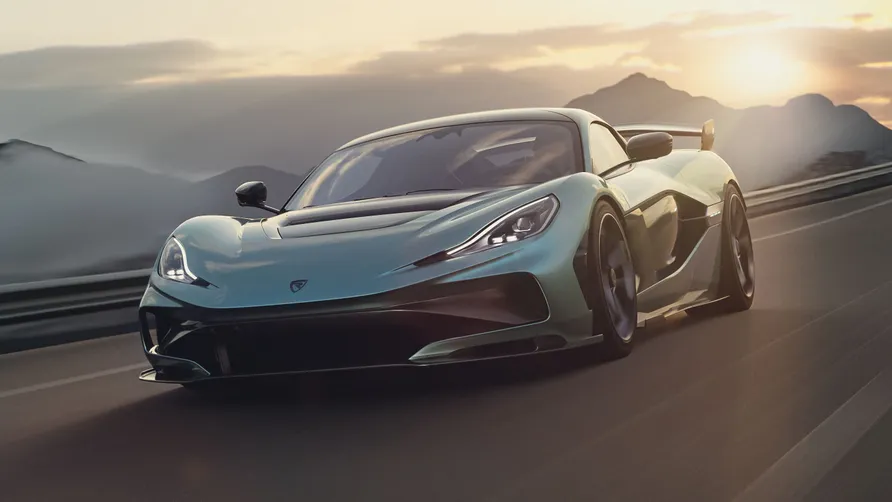
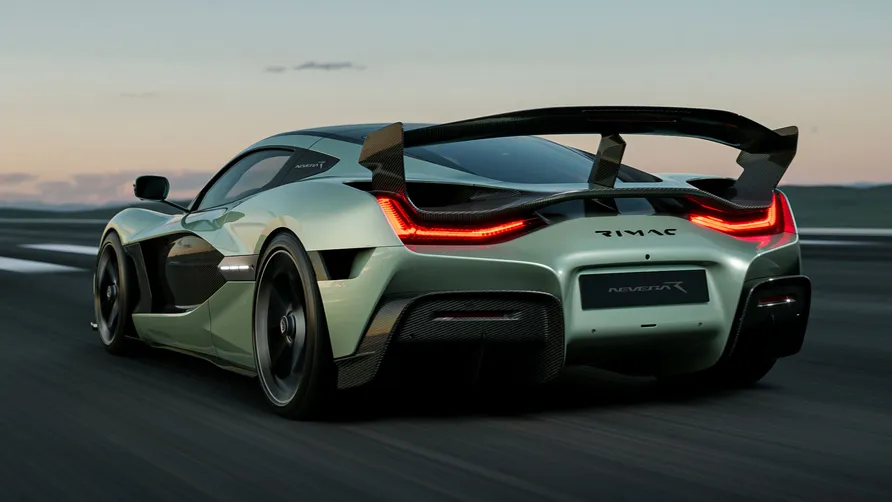
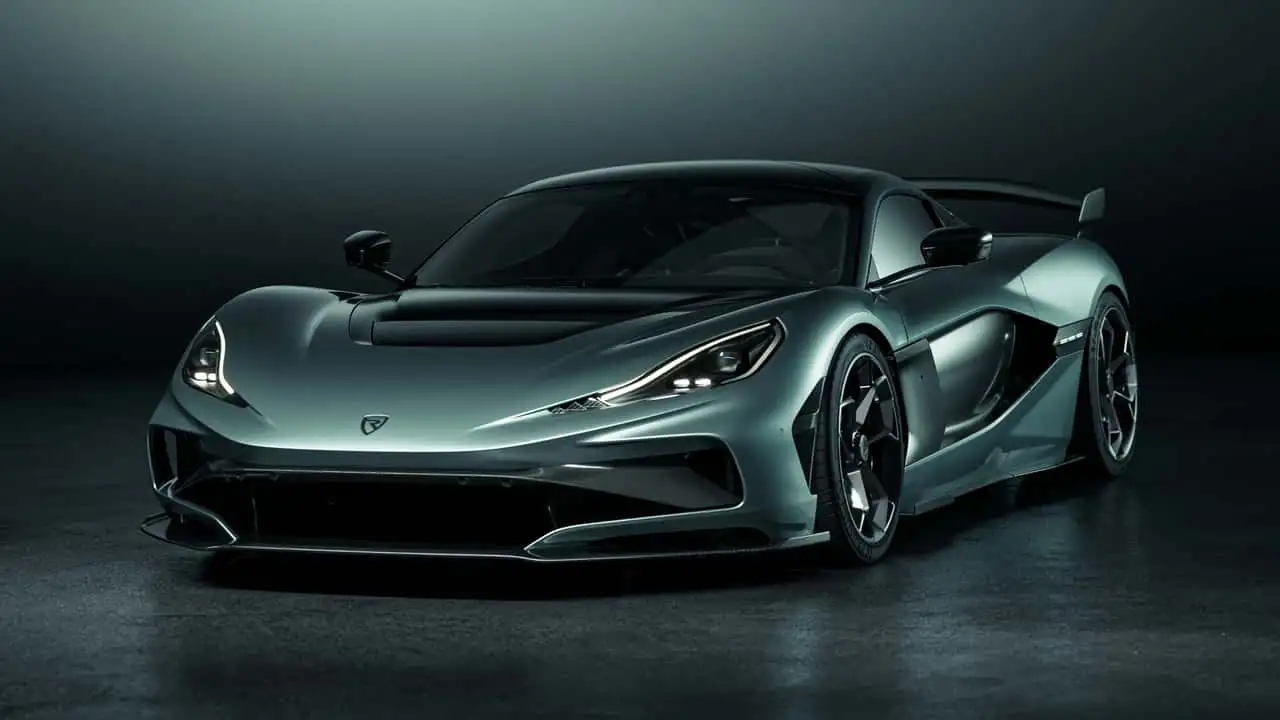
Rimac Nevera – Electric Hypercar Future
Whereas old EV cars might just have been about usability or practicality, today’s Rimac Nevera EV hypercar is all about performance.
- Motor / Motor Listrik: 4 electric motors with 1,914 hp
- 0-100 km/h:
- Top speed: 412 km/h (256 mph)
- Range: 550 km (342 miles)
- Price: $2.4
What made it stand the test of time
It defied the norms of others by virtue of its powerplant. Whereas conventional hypercars sport conventional gasoline-battery powerplants, the Rimac runs on
Impact: The Nevera is a display case for electric performance cars in the future.
Conclusion
Hundreds of innovative electric cars have revolutionized our concept of automobiles – from the visionary GM EV1 to the Rimac Nevera hypercar.
- GM EV1 → Practical pioneer
- Tesla Roadster → Performance redefined
- BMW i3 → Urban innovation
- Nissan Leaf → Everyday EV
- Rimac Nevera → Electric performance peak
These vehicles demonstrate the fact that innovation sometimes results from people who wish to go against the trends.